Digital Newsletter
Each week our editor Phil Alsop rounds up the most popular articles, videos and expert opinions. We compile this into a Digital Newsletter and send it straight to your inbox every week.
Digital Magazines
We'll let you know each time a new edition of Digitalisation World is released so that you're always kept up-to-date with the latest and greatest news and press releases.
Video Magazines
The Digitalisation World Video magazine contains the latest Zoom interviews with experts in the industry.
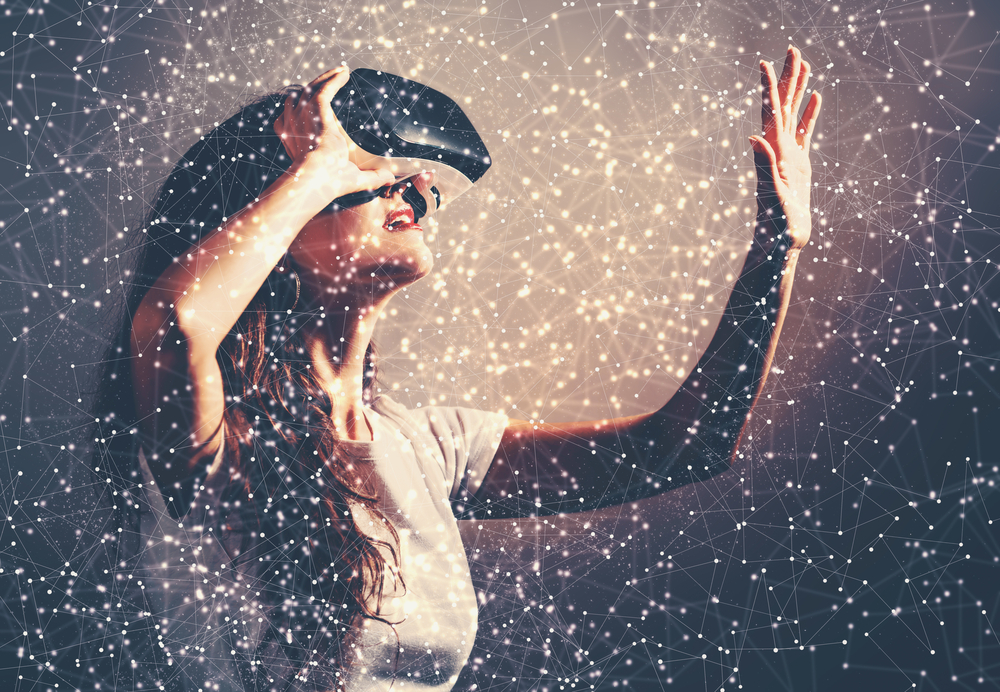
Automotive companies and travel agencies are effectively using VR as a marketing tool as well. Virtual test drive and a 360-degree view of vehicles are attractive marketing tools for consumers. Similarly, 360-degree video of travel destinations and virtual tours before buying a travel package or airline tickets are great platforms to assist travel ticket sales.
Furniture and home improvement stores have been early adopters of VR in the retail segment. VR is an effective platform for customers to view furniture, pick different parts, customize products, and/or visualize an item before making a purchase decision. VR is deployed by furniture and home improvement centers both in-store and online to provide a better shopping experience to consumers. Swedish furniture company IKEA and North American home improvement company Lowe’s are two examples that have successfully deployed VR.
E-commerce is another sector with a good potential for VR deployment. Chinese E-commerce company Alibaba has deployed its Buy+ mobile VR platform for better product visualizing. Alibaba integrates its Alipay payment platform to assist consumers making payment while browsing products using Buy+ VR. “There is high consumer interest to use VR for making purchase decisions while shopping online or in-store. The availability of low-cost VR headsets is another driver of consumer VR use cases for purchasing products,” notes Lynn.
Walmart’s recent acquisition of VR software company Spatialand is another indicator of VR deployment as a retail solution in the future. Consumers’ awareness together with investment by retailers and brands will drive the VR retail and marketing market.